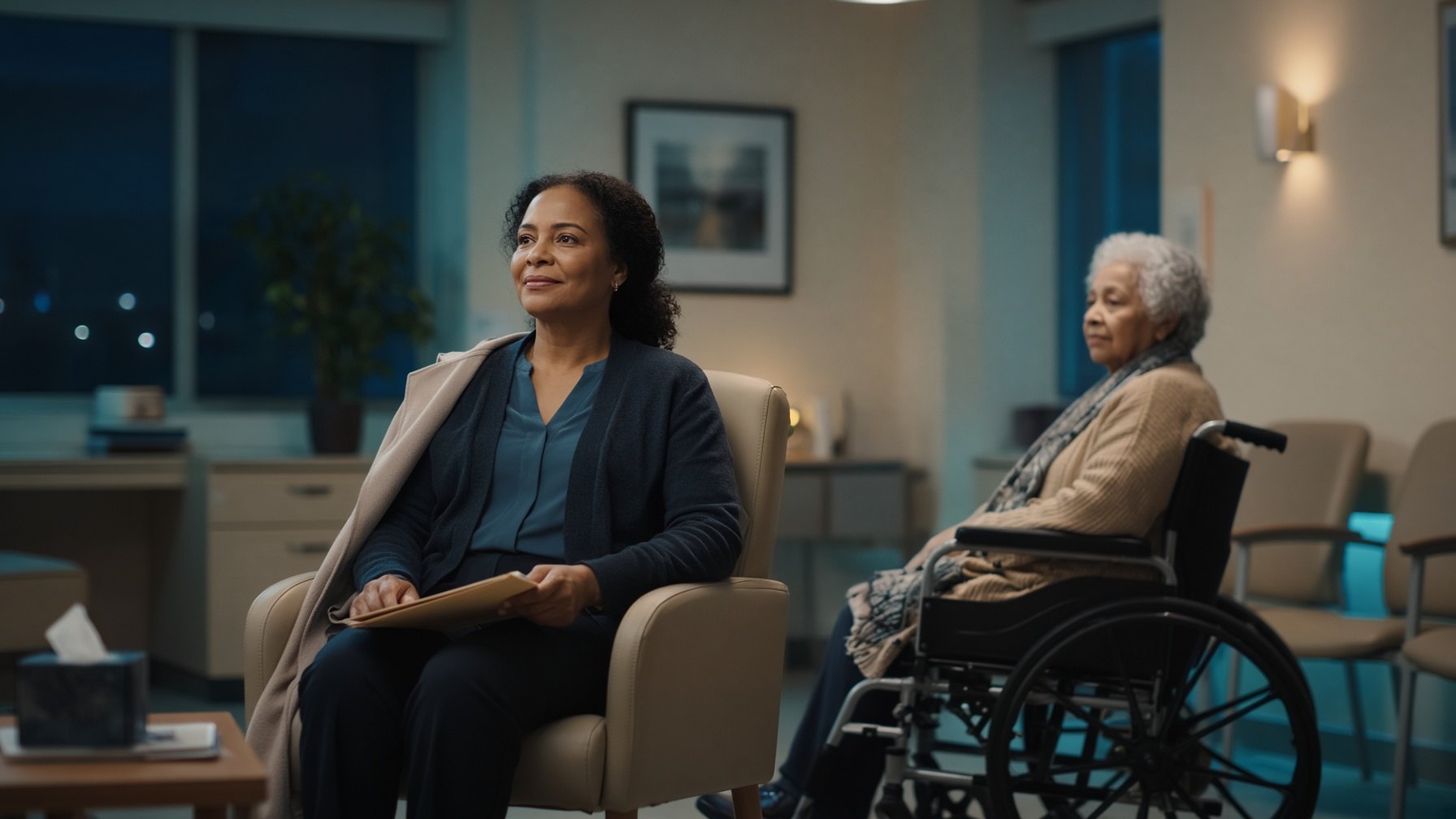
Discharge day has a particular energy. Everyone is tired, the parking meter is plotting against you, and a very competent person is talking at 1.6x speed about new prescriptions, a follow-up you did not know existed, and a wound-care instruction that will vanish from your brain somewhere between the elevator and the car.
Hospitals are excellent at acute care. They are not designed to be your family’s long-term memory. The moment they hand you a packet, the work has not ended. It has changed shifts — to you.
If you would not accept a workplace handoff that said “just figure it out at home,” do not accept that from a discharge desk either.
A ten-minute capture routine
- Write the new medication list next to the old one. Circle what changed.
- Ask: what should make us call, and what can wait until morning?
- Get the follow-up appointment in a calendar before you leave the building.
- Photograph every instruction sheet. Paper gets coffee on it. Photos survive the cupholder.
- Name one person who owns the first 72 hours at home — even if others help.
You are not being difficult. You are translating a clinical event into a household plan. Families who do this look strangely calm in the grocery store the next day. Families who skip it end up texting “wait, was it twice a day?” at 11 p.m.
The first three days are a project
Home is full of rugs, pets, well-meaning visitors, and the myth that rest happens automatically. A recovery pack is not fancy. It is a checklist for the messy middle: who is on meals, who is on meds, what the house needs before night one.
The Ready Recovery Pack is built for that hospital-to-home window. If you want the wider system — medications, family roles, documents — the Ready Parent Care Organizer holds the longer story. Either way, treat discharge like a handoff with a named owner. Future-you will send present-you a thank-you note. It will be short. It will be sincere.